
Arizona HOA monsoon preparation is an important part of protecting community assets, planning maintenance activities, and preparing for seasonal weather challenges. In 2026, discussions surrounding El Niño and its potential effects across portions of the United States have prompted many Arizona HOA boards to review storm readiness, vendor coordination, and community infrastructure before monsoon season reaches its peak.
Why HOA Boards Pay Attention to Weather Trends
Boards are responsible for overseeing community assets and planning for future maintenance needs. Weather can influence both. When forecasts call for a particularly active monsoon season, periods of heavy rainfall, or stronger storm activity, communities may experience impacts such as:
- Landscape damage
- Irrigation issues
- Drainage concerns
- Pool closures
- Fence and wall damage
- Roof leaks in common area structures
- Increased vendor demand following storms
No forecast can predict exactly how a particular community will be affected, but boards that review preparedness plans ahead of time are often in a better position to respond when weather events occur.
Arizona HOA Storm Preparation Begins with Understanding Monsoon Season
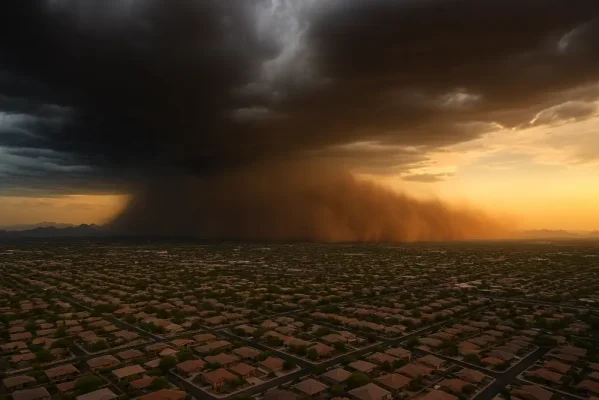
Arizona’s monsoon season typically runs from June through September and can bring intense rainfall, high winds, dust storms, lightening, microbursts, and localized flooding. Even communities that experience only brief storms can see maintenance concerns emerge quickly. A single storm may create:
- Fallen tree limbs
- Damaged irrigation systems
- Landscape washouts
- Blocked drains
- Pool contamination
- Debris throughout common areas
Because many vendor companies become extremely busy following extreme weather, having established vendor relationships and response procedures in place before the season begins can be beneficial.
Reviewing Drainage Systems
One of the most important areas for HOA boards to evaluate before monsoon season is drainage. Communities often contain various drainage components, including retention and catch basins, storm drains, swales, and strategic common area grading. Over time, debris, sediment, and vegetation can impact drainage performance.
Landscape contractors may assist with inspections and boards should ensure that drainage concerns are identified and addressed before severe weather arrives whenever possible. Water that cannot properly drain may contribute to property damage, erosion, mosquitos, or safety concerns.
Arizona HOA Monsoon Preparation for Landscaping and Trees
Landscaping is frequently one of the largest budget items for Arizona homeowners associations, and it is also one of the areas most vulnerable to storm damage. Before monsoon activity increases, boards may consider reviewing:
- Tree trimming and thinning schedules
- Dead branch removal
- Landscape visibility concerns
- Irrigation system condition
- Erosion-prone areas
Trees that appear healthy can still experience storm-related failures during periods of strong wind. Routine inspections and preventative maintenance can help reduce the likelihood of unexpected issues.
Pool and Amenity Considerations
Community pools often require additional attention during monsoon season. Heavy rainfall and dust storms may impact:
- Water chemistry
- Filtration systems
- Pool cleanliness
- Furniture and shade structures
Storms can also create temporary safety concerns around amenities. Boards may wish to confirm that vendors and management teams have clear procedures for responding to weather-related amenity issues.
Common Area Structures and Buildings
Clubhouses, ramadas, maintenance buildings, and other common area structures should also be reviewed periodically. Areas worth evaluating include:
- Roofing systems
- Gutters and drainage systems
- Exterior lighting
- Doors and windows
- HVAC equipment
Even minor roof or drainage issues can become more noticeable during periods of heavy rainfall. Addressing concerns proactively is often less disruptive than responding to emergency repairs later.
Vendor Coordination Matters
One challenge many Arizona communities encounter during monsoon season is vendor availability. Following significant storms, service providers may experience increased demand for:
- Landscape cleanup
- Tree removal
- Roofing repairs
- Fence repairs
- Irrigation repairs
Boards that maintain appropriate vendor contacts and understand their service response procedures may find it easier to navigate weather-related events. This is also a good time to review emergency contact information and after-hours procedures.
Financial Planning for Weather-Related Expenses
While no community can predict every maintenance issue, boards can consider how weather-related costs fit into overall financial planning. Questions that may be worth discussing include:
- Are reserve-funded components being monitored appropriately?
- Does the operating budget account for routine storm cleanup?
- Are major common area assets being inspected regularly?
- Have recent maintenance costs identified areas requiring additional attention?
Weather-related expenses are often easier to manage when communities maintain organized financial records and regularly review budget performance.
Communication Before and After Storms
Communication can play an important role during periods of severe weather. Many boards find value in sharing reminders related to safety concerns, storm preparations, reporting maintenance issues, and community updates for homeowners. Timely communication can help reduce confusion and keep residents informed when unexpected events occur, which is especially helpful in condominiums.
Why Arizona HOA Monsoon Preparation Matters
Whether discussions about El Niño ultimately result in significant impacts for Arizona or not, the conversation highlights an important reality for HOA boards: weather preparedness is an ongoing responsibility. Monsoon storms, extreme heat, and seasonal weather patterns are all part of managing communities in Arizona. Taking time to review infrastructure, vendor relationships, maintenance plans, and financial readiness can help communities respond more effectively when challenges arise.
Every association is different, and each community will have unique priorities based on its size, amenities, age, and governing documents. However, proactive planning remains one of the most effective tools available to boards.
At Arizona Community First Management, we work alongside boards throughout the Valley to support budgeting, vendor coordination, homeowner communication, financial reporting, and day-to-day community operations. If your board is reviewing maintenance priorities, preparing for monsoon season, or evaluating management services, we welcome the opportunity to be a resource and discuss your community’s needs.