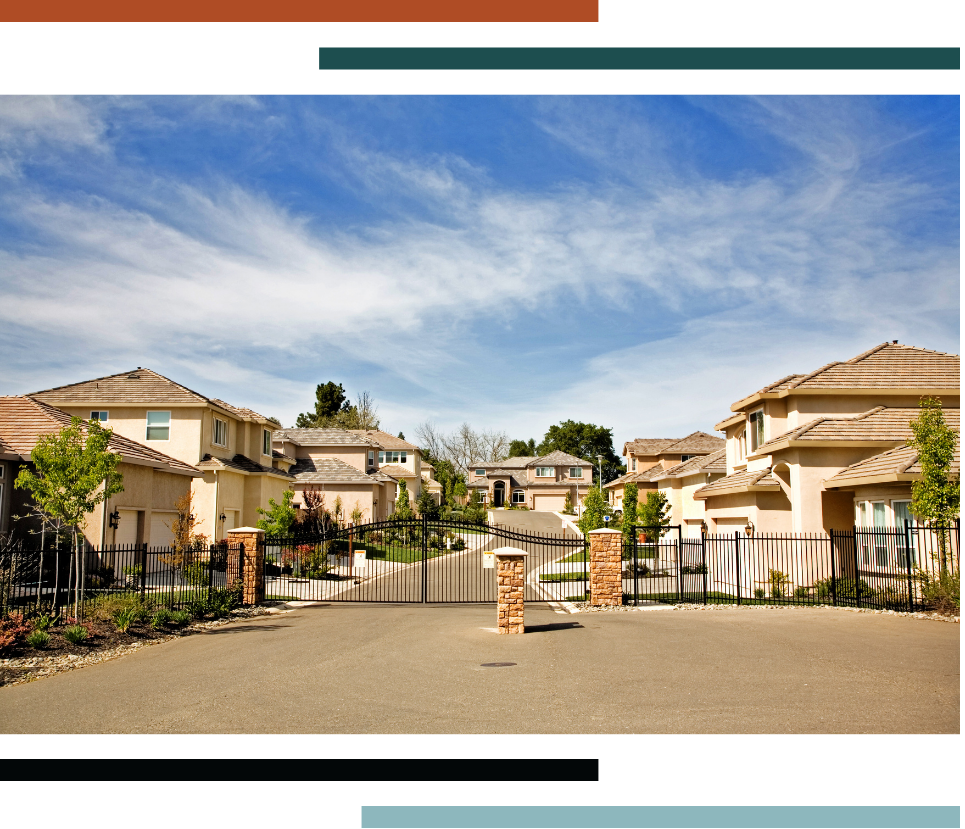

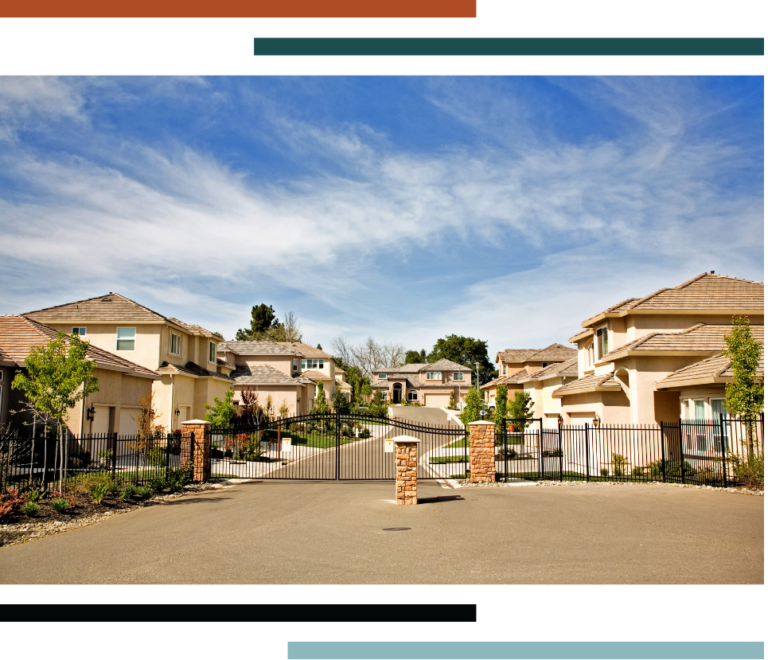
When board members begin evaluating Luxury Community Management in Arizona, they are often looking for much more than a company to answer phones or prepare monthly financial statements. They are searching for a management partner that understands the expectations of homeowners, the responsibilities of the Board, and the operational demands that come with managing a high-end community.
Whether your association consists of custom homes, luxury condominiums, a guard-gated neighborhood, or a master-planned community with extensive amenities, the day-to-day responsibilities are often more involved than those of a typical homeowners association. Maintaining those standards takes organization, consistency, and a management company that communicates well with both the Board and homeowners.
Understanding the Needs of Premier Communities
Premier communities often have features and operations that require additional coordination throughout the year. Amenities may include clubhouses, fitness centers, pools, elevators, parking garages, private parks, concierge services, or controlled-access entrances. Many associations also oversee significant reserve funds, large operating budgets with multiple cost centers, and long-term maintenance projects.
These responsibilities are important because they directly affect the homeowner experience. A delayed vendor response, poor communication, or disorganized financial reporting can quickly become noticeable in communities where expectations are high. Successful management is rarely about reacting to problems. Instead, it comes from staying organized, planning ahead, and keeping the Board informed before issues become larger concerns.
Responsiveness Should Never Be an Afterthought
One of the most common concerns we hear from HOA board members is communication. Many communities begin looking for a new management company because calls go unanswered, homeowners wait weeks for updates, or boards spend valuable time following up on routine requests. Responsive management is about much more than replying quickly. It also means providing updates, setting realistic expectations, following through on commitments, and making it easy for homeowners and board members to get the information they need.
When communication improves, board meetings become more productive, homeowner confidence increases, and community projects often move forward more efficiently.
Financial Management Supports Better Decisions
Financial reporting should do more than satisfy a monthly requirement. It should provide the Board with accurate, organized information that supports thoughtful decision-making.
Luxury communities frequently manage substantial operating budgets while balancing reserve contributions, maintenance expenses, vendor contracts, and future capital improvements. Clear reporting allows boards to focus on planning rather than searching for answers. An effective financial management program typically includes:
- Monthly financial statements
- Assessment billing and collections
- Accounts payable
- Bank reconciliations
- Budget preparation
- Reserve tracking
- Organized financial records
Strong financial oversight helps boards maintain confidence while planning for both current operations and future community needs.
Technology Should Make Management Easier
Technology has become one of the most valuable tools available to both homeowners and HOA boards.
A well-designed homeowner portal supplements the in-person management team creates a central location for communication, documents, payments, and requests. homeowners can often find what they need online. For board members, technology improves visibility into the community by keeping important records, financial reports, governing documents, and ongoing requests organized in one location.
Our article, What Does an HOA Management Company Do?, explains how technology supports many of the day-to-day responsibilities boards rely on throughout the year. It also provides a broader overview of how professional management contributes to the overall operation of a community.
Vendor Coordination Requires Consistent Oversight
Many premier communities rely on a large network of contractors to maintain community assets. Landscape providers, pool companies, security contractors, janitorial services, gate vendors, elevator technicians, and reserve specialists all play important roles. Keeping those relationships organized requires regular communication and careful follow-up.
A management company should serve as a point of coordination by tracking projects, communicating with vendors, and keeping the Board informed as work progresses. The goal is not simply completing projects, but ensuring they are completed professionally and with minimal disruption to residents.
Arizona Communities Face Unique Challenges
Community associations throughout Arizona manage responsibilities that are very different from many other parts of the country. Extreme summer temperatures, monsoon season, irrigation management, water conservation, and reserve planning all influence how communities budget and prepare throughout the year.
Planning ahead often reduces emergency repairs and allows boards to make more informed decisions before seasonal issues become urgent. If your Board is preparing for Arizona’s summer weather, our article Arizona HOA Monsoon Preparation: A Board’s Guide offers practical recommendations for planning before severe weather arrives.
The Board and Management Should Work as Partners
Effective luxury community management in Arizona is built on partnership between the board, owners, management and vendors. Board members volunteer their time because they care about their communities, and a management company should provide the support, organization, and communication needed to help them lead effectively. Rather than creating additional work for the Board, management should simplify daily operations while keeping directors informed through clear reporting, timely updates, and professional guidance.
What Should HOA Boards Look For?
Every community has different priorities, but several qualities consistently contribute to successful management relationships. These qualities often have a greater impact on a community’s long-term success than simply choosing the lowest management fee. When evaluating a management company, consider whether they demonstrate:
- Responsive communication
- Transparent financial reporting
- Organized vendor coordination and consistent follow through
- Professional and prompt homeowner service
- Modern technology tools to supplement the community team
- Local knowledge of Arizona communities
- Credentialed community management professionals
- Consistent follow-through
- Experience supporting HOA boards
Evaluating Your Communities Needs
Associations with higher homeowner expectations require thoughtful planning, organized financial management, and consistent communication to operate successfully. While every association is different, boards benefit from working with a management partner that understands the expectations of homeowners while supporting the Board with dependable service and proactive communication.
If your Board is evaluating Luxury Community Management in Arizona, look beyond the proposal itself. Consider how a management company communicates, supports board members, coordinates community operations, and helps position the association for long-term success. Choosing the right management partner is an investment in the future of your community.